- Debrief - The undercover dispatch
- Posts
- The journalist Tehran accuses of being a Mossad spy
The journalist Tehran accuses of being a Mossad spy
The case of Catherine Perez-Shakdam and the blurred line between journalism and espionage, as told by Laura Silvia Battaglia.

Laura Silvia Battaglia
10 ottobre 2025
In partnership with

One of the threads we often return to in Debrief is the gray area between journalism and espionage, a space that has condemned reporters around the world to live under suspicion. There are “journalists” who in fact work for intelligence agencies, spies who disguise themselves as reporters, and then true journalists who pay the price for this duplicity. The ambiguity also stems from stories like that of Catherine Perez‑Shakdam, a woman who for years presented herself as a journalist but whom many today consider an undercover agent.
To tell this story, we’re honored to feature a piece by Laura Silvia Battaglia, who needs little introduction. She is one of the world’s foremost experts on Yemen: a documentary filmmaker, international reporter, correspondent for Rai Radio3, contributor to Avvenire and foreign outlets, and a journalism lecturer in Italy and abroad. Her fieldwork in war and crisis zones is a touchstone for anyone who covers the Middle East.
But for us at Debrief, Laura Silvia is not just a colleague we admire; she’s part of our history. If it hadn’t been for her, the two of us, Sacha and Luigi—probably would never have met or started working together. That’s why we’re especially proud to feature her here.
This issue is written by Laura Silvia Battaglia and edited by Sacha.
In This Issue of Debrief:
The Shadow of Spies
This is one of those cases of masterful undercover work with a mysterious ending. But at the same time, it is living proof of why, in many parts of the world, journalists are often suspected of being professional spies posing as reporters. It’s a longstanding problem, especially in the East, where the gray zone between the two professions is crossed routinely—so much so that you stop noticing it and start treating it as a normal occupational hazard to defend yourself against.
During my years in Sana’a, Yemen, from 2012 to 2015, several Americans lived in the same building as I did—officially there to learn Arabic. Brandon, Stanley, Zackaria, Brandon II: some were soldiers or former soldiers, contractors acting as provocateurs to gauge the level of anti-American sentiment in the region, or to infiltrate the homes of Yemeni students learning English, extracting information about their families and villages. Others claimed to be researchers but later ended up working for the CIA—one of them already did, and had an uncanny ability to pick up dialects from the most remote areas, where he managed to get himself invited. Then there were the fake journalists: formally so, yes, but they had accepted deals and hefty payments to serve as informants for certain agencies. And finally, there was me—the real journalist, who had turned down those offers and had to do everything possible both to avoid being associated with those people and to make sources understand that they could actually trust me.
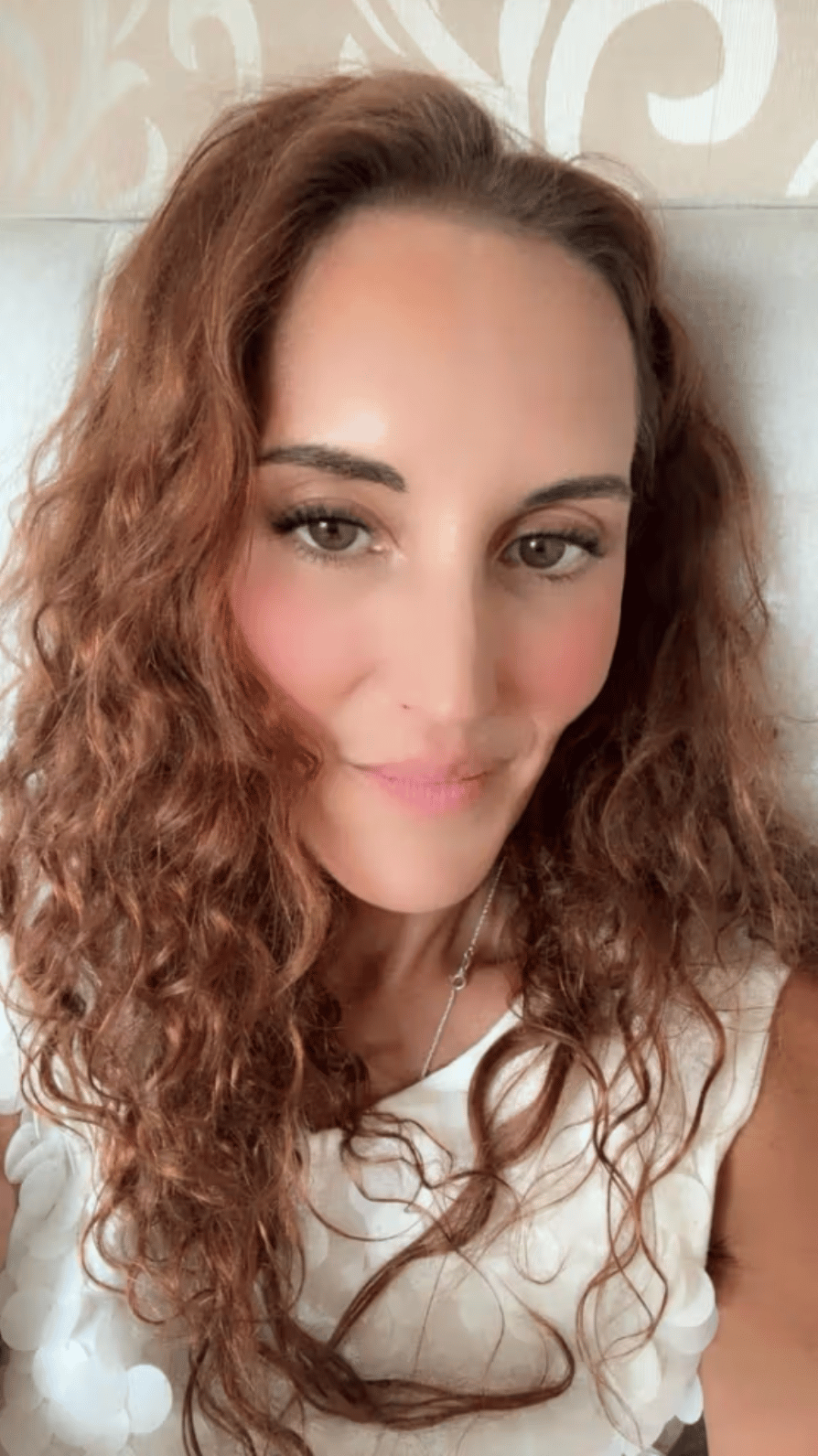
A vicious circle that became an exhausting daily routine. So, when I read the story of Catherine Perez-Shakdam—accused of being a Mossad spy rather than a legitimate journalist—I wasn’t all that surprised. Yet her story, beyond casting her as a potential queen of undercover work—or whatever she may truly be—raises serious questions about the overlap, in these environments, between journalists who use undercover methods as an investigative tool and professional spies who employ them to infiltrate places that would otherwise be inaccessible.
The Catherine Perez-Shakdam Case: The Woman Who Deceived Everyone
Official websites describe Catherine Perez-Shakdam as a “French journalist, political analyst, and commentator specializing in Islamic affairs and West Asia.” They also tell us that she is a “former consultant to the United Nations Security Council on Yemen and an expert on Islamic terrorism, radicalization, and antisemitism.” These credentials would appear to align with her personal background, which intertwines multiple faiths and areas of expertise across the monotheistic religions.
Shakdam was born in France to a secular Jewish family. Her maternal grandfather fought the Nazis during the occupation of France, while her paternal grandfather was a Holocaust survivor. While studying psychology, and later finance and communications, at the University of London, she met a Yemeni Muslim man and eventually converted to Sunni Islam. Later becoming a Shia Muslim, she divorced her husband in 2014 and obtained custody of their two children. She went on to establish herself as an expert on Shia Islam, writing books and articles on the topic. But since 2022, Shakdam has identified as both atheist and Jewish, through a blog published on The Times of Israel, where she claimed—without explicitly stating that she worked for the Mossad—to have lived undercover, explaining that her persona as a converted and radicalized Muslim woman had been constructed to infiltrate Iran and other Islamic countries.
In Iran, many are now searching for her, convinced that she is a Mossad spy—or even the spy, the one responsible for the leaks that allegedly allowed Israel to penetrate the complex machinery of the Islamic Republic, carry out extrajudicial assassinations with precision, and bomb buildings, homes, offices, and strategic or military sites.
The controversy stems from Shakdam’s ambiguous behavior and from the accusations made by Iranian lawmaker Mostafa Kavakebian, who declared in a state-television interview last July that Shakdam was an Israeli spy who had engaged in sexual relations with 120 senior officials—without presenting any evidence for the defamatory claim. (Kavakebian was later indicted by the Tehran prosecutor’s office for “spreading false and immoral information.”)
Interviewed by Iran International, a London-based satellite channel of the Iranian diaspora known for its anti-regime stance, Shakdam dismissed the allegations: “It’s not true, it’s not possible, and it’s completely absurd. They’re trying to destroy my reputation. I’ve got news for them: I don’t care. And you can quote me.”
It remains unclear, however, what exactly she was denying—whether merely the accusations of having had relations with senior regime officials, or also the claim of being a spy in the first place. On the Israeli side, Shakdam has already been mythologized, seen as a figure worthy of Fauda—the Netflix series that captures much of Israel’s mindset toward its Arab neighbors and the sacrifices of its army and intelligence services. Her alleged mission has been described as “one of the boldest and most sophisticated espionage operations of the 21st century: a masterpiece of deception.”
From Yemen to Tehran: Rise and Fall
But let’s take things in order, to understand how Shakdam managed to establish herself with remarkable credibility—first in Yemeni circles, then in Iranian ones—and why the accusation of being a top Mossad insider could be considered plausible. Before becoming a full-time journalist—or at least appearing to—she worked as a consultant for Wikistrat, an Israeli geopolitical analysis firm, where she provided assessments on complex regions. Her consulting role became increasingly focused on hard-to-access Islamic countries, particularly after her conversion and subsequent divorce: between 2015 and 2017 she was affiliated with the Shafaqna Institute for Middle East Studies in London.
The Yemeni period remains the murkiest in terms of her formation and rise as a journalist. But it was there, after moving with her ex-husband in 2009, that she began writing for the Yemen Post. Knowing the country deeply, she likely acquired the expertise she would later demonstrate—especially on religious matters. One of her editorials, published in the Yemen Observer, harshly criticized the U.S. intervention in Iraq and attracted the attention of Iranian authorities.
In 2017, with her Yemeni chapter closed—both personally and professionally—Shakdam resurfaced in Iran, declaring full allegiance to Twelver Shiism. She began writing for pro-regime publications, including the deeply religious Khamenei.ir. The door to the inner sanctum of the Revolutionary Guards and the ayatollahs opened gradually: she had already contributed to Tehran Times, IRIB, and Tasnim News—media outlets that function as multilingual arms of the regime, used to test a foreigner’s friendliness toward Tehran. From there, Catherine fully transitioned to more hardline positions, writing for Mashregh News, a decidedly conservative outlet in Iran’s political sphere.
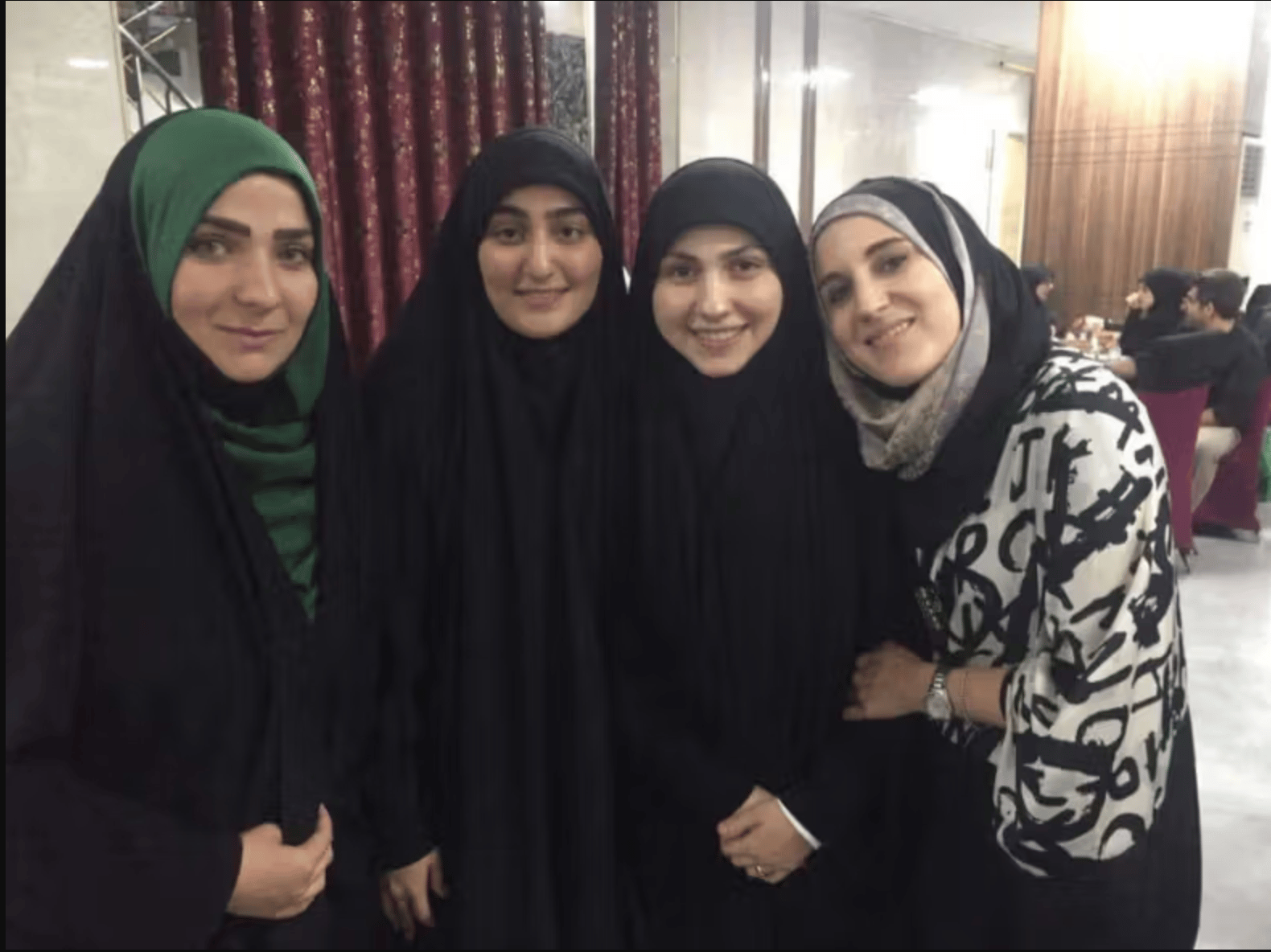
To reinforce the perception that both her conversion and her loyalty to the Iranian regime were genuine, many Israeli institutions, including MEMRI, were quick to denounce her “radicalization,” notably without mentioning that Shakdam was Jewish. Without doubt, the crowning achievement of her undercover project—whatever its true goal—was her ability to first gain access to influential women, and then, through them, to key men within the Islamic Republic. One of the most widely circulated photos of Shakdam shows her in Karbala, Iraq, in 2017, alongside Zainab Mughniyeh and Zainab Soleimani, the daughter of the revered Iranian general and intelligence commander Qasem Soleimani, who from 1988 led the Quds Force (Niru-ye Quds). Soleimani was later killed by U.S. forces in Baghdad on January 3, 2020, and is venerated in Iran as both a martyr and a near-deity.
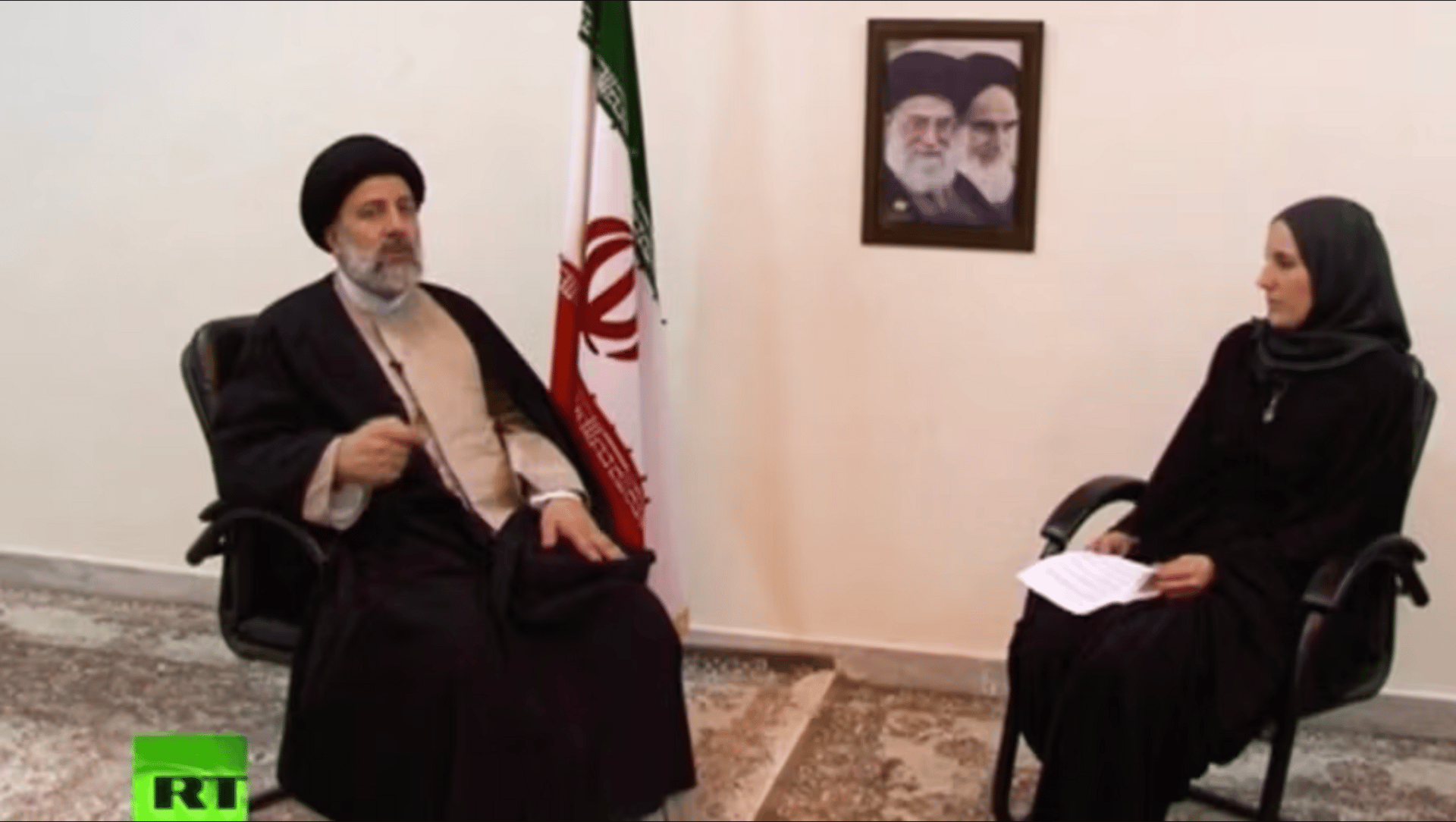
The revolving door that granted her access to Iran’s inner circles was her meeting with then–presidential candidate Ebrahim Raisi. Representing the Russian television network RT (Russia Today), Shakdam accompanied Raisi on a campaign trip to Rasht, on the Caspian Sea, where she secured an exclusive interview with him. She further reassured her audience about her good intentions, claiming that Iranian authorities trusted her because of her French nationality and her marriage to a Muslim. She promoted the narrative that she had been invited to Iran by one of the revolution’s most prominent figures, who had studied in the United States. And that narrative worked: Iranian state television, in particular, appeared proud to feature a Western woman—converted, devout, religious, conservative, and fiercely critical of U.S. policies in the Middle East—on its talk shows and media channels.
From Raisi to Soleimani and then to Khamenei, the ascent was not immediate, but it happened. Her social skills and writing—often described as “charming” by those who met her—earned her access and trust, eventually leading her to write for the outlet bearing the Supreme Leader’s own name. Today, the Iranian regime’s embarrassment has led to the deletion of all pages and content authored by her; for Tehran, it is unbearable to admit it allowed such a deep breach within its own system.
All this unfolded even as the accusations made against her by lawmaker Kavakebian—already the subject of intense media criticism—triggered legal proceedings for “disturbing public opinion” by the Tehran prosecutor’s office, while her face began to circulate more and more widely on social media and billboards after the twelve-day war between Iran and Israel (June 2025).
Spy or Journalist? A Textbook Lesson
Her astonishing ability to operate undercover—creating (by her own account) a credible and convincing persona that allowed her to “walk into the belly of the Beast”—raises a series of questions both for and against the theory that this woman is a Mossad agent, or alternatively, a brilliant (and rather eclectic and controversial) journalist.
Supporting the first theory are a number of operations—from the killing of General Soleimani to the targeted assassinations of IRGC officers, Iranian scientists, and militia leaders—planned by Israel and the United States between 2017 and 2025 across the so-called Axis of Resistance countries (Lebanon, Iraq, Syria, Yemen, Iran). There are multiple coincidences suggesting her possible role as an informant—logistically and even strategically—given her access to some of the highest figures in the Islamic Republic during the years preceding those operations.
Supporting the second theory, however, are her own statements and the observation that maintaining a double life, a double morality, and dual religious, cultural, and political identities for nearly twenty years might simply be too much—even for a Mossad agent.
In either case, it’s a textbook lesson. One that remains unparalleled—and still (quite) incomprehensible.
See you in the next Debrief.
Looking for unbiased, fact-based news? Join 1440 today.
Join over 4 million Americans who start their day with 1440 – your daily digest for unbiased, fact-centric news. From politics to sports, we cover it all by analyzing over 100 sources. Our concise, 5-minute read lands in your inbox each morning at no cost. Experience news without the noise; let 1440 help you make up your own mind. Sign up now and invite your friends and family to be part of the informed.
If you've come across an undercover investigation you think we should feature, share it with us here:
👉 https://forms.gle/1JbqMBJUfoRU9MBp7
If you have suggestions, questions, tips (or insults), drop us a line at:
👉 [email protected]
If you enjoyed this newsletter, pass it along to your friends using this link:
👉 https://debrief-newsletter.beehiiv.com/
Follow us on Instagram, occasionally we'll upload content different from the newsletter:
👉 https://www.instagram.com/debrief_undercover/
We've also launched a podcast featuring interviews with the authors of memorable undercover investigations:
👉 https://open.spotify.com/show
And if that's still not enough, join our Telegram channel, where we can keep the conversation going:
👉 https://t.me/debrief_undercover
Reply